

Quick Answer: Solving How to Size Brass Gas Orifices for High-BTU Burners (2026)
Brass orifice sizing depends on BTU rating and fuel type. Calculate orifice diameter using the formula: diameter = √(BTU ÷ pressure factor). Propane requires smaller orifices than natural gas at identical BTU levels. Select drill bit size matching decimal equivalents, use manual hand-drill technique to prevent brass deformation, verify final hole diameter with calibrated drills, and test burner pressure with water column gauge before operation.

Pros
- Sizes #1 to #60 listed
- 60 pieces in one set
- Steel construction
- Metal case included
Cons
- No-shank design may require a compatible holder or adapter
- Holder compatibility is not described in this record
A large 60-piece steel orifice drill bit set with a listed #1 to #60 size range and metal case. Check that your holding equipment suits a no-shank design before buying.
- Piece count: 60
- Size range: #1 to #60
- Material: steel
- Shank: none
- Storage: metal case
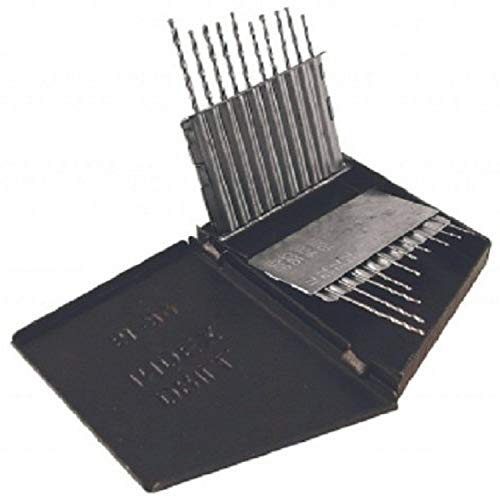
Pros
- Malco brand, model FJ6180
- 20 pieces in one set
- Orifice drill format
Cons
- Individual bit sizes are not supplied in this record
- Case and material details are not described
A 20-piece Malco orifice drill set for small precision hole work. Confirm the included size range against your project, since the record does not list individual bit sizes.
- Brand: Malco
- Model: FJ6180
- Set size: 20 pieces
- Product type: orifice drill set
Root Cause Engineering & Mechanical Principles
Gas appliance conversion between fuels—particularly propane-to-natural gas or vice versa—requires precise orifice recalibration because fuel pressure and BTU delivery are intimately linked. Natural gas operates at low pressure (typically 3.5–7 inches of water column), while propane requires higher pressure regulation (10–14 inches of water column). The orifice diameter directly controls fuel flow rate through a mechanical resistance principle: smaller diameter orifices restrict flow, reducing BTU output; larger diameter orifices increase flow, raising BTU output. For detailed technical setup and system integration, reference our analysis on degrease stainless steel smoker heat diffusers (2026).
Brass is the material of choice for orifices because it resists corrosion from sulfur compounds in natural gas and propane while maintaining dimensional stability across temperature fluctuations. However, brass exhibits significant machinability challenges: it is comparatively soft (60–70 on the Rockwell B hardness scale) and prone to tearing if drilling speed, feed pressure, or technique is inappropriate. Improper drilling creates burr formation, dimensional creep, and stress concentration points that reduce orifice integrity under thermal cycling.
The National Fuel Gas Code (NFPA) requires orifice sizing to fall within ±0.003 inches of the specified diameter to maintain combustion stability and flame characteristics. Oversized orifices allow excess gas flow, creating flashback or incomplete combustion; undersized orifices create flame impingement, incomplete heat transfer, and excessive unburned gas in exhaust products.
| Fuel Type & Pressure | Typical BTU Range | Orifice Diameter (decimal) | Nearest Drill Bit | Failure Mode if Oversized | Diagnostic Tolerance |
|---|---|---|---|---|---|
| Propane (10–14 WC) | 25,000–50,000 BTU/hr | 0.055–0.075 inches | #55–#52 | Flashback, uncontrolled flame spread | ±0.003 inches |
| Natural Gas (3.5–7 WC) | 25,000–50,000 BTU/hr | 0.095–0.125 inches | #42–#38 | Incomplete combustion, soot buildup | ±0.003 inches |
| Propane (High-Pressure, 2 psi) | 60,000–100,000+ BTU/hr | 0.042–0.055 inches | #60–#55 | Excess flame intensity, equipment damage | ±0.002 inches |
| Natural Gas (High-Pressure, 2 psi) | 60,000–100,000+ BTU/hr | 0.082–0.110 inches | #44–#40 | Weak flame, incomplete heat release | ±0.002 inches |
Step-by-Step Diagnostic & Calibration Procedure
Step 1: Calculate Required Orifice Diameter
Establish the target BTU rating from appliance specifications. Identify the fuel and operating pressure from manufacturer documentation or the regulator installed on the unit. Use the empirical relationship: orifice diameter (inches) = √(BTU ÷ pressure constant). For natural gas at 3.5–7 WC, use pressure constant 360,000; for propane at 10–14 WC, use pressure constant 900,000. Example: a 40,000 BTU natural gas burner requires √(40,000 ÷ 360,000) = 0.105 inches diameter, equivalent to #41 or #42 drill bit. For propane, the same 40,000 BTU output requires √(40,000 ÷ 900,000) = 0.067 inches, approximately #54 or #55 drill bit.
Step 2: Select and Prepare Drill Bit & Manual Drilling Tool
Obtain a calibrated twist drill bit matching the calculated decimal size. Drill bit sizing charts reference fractional, metric, and numbered sizes; cross-reference your calculated diameter with wire gauge equivalents to eliminate ambiguity. Mount the brass orifice firmly in a hand vice (not a powered drill chuck) or specialized orifice-drilling jig. Hand-drilling is mandatory because manual control prevents feed-rate runaway and thermal stress on the brass. A spring-loaded hand drill (Archimedes drill or reciprocating pump handle) provides constant, controllable rotational speed.
Step 3: Execute Drilling with Controlled Technique
Apply light cutting fluid (cutting oil or mineral oil) to the drill bit surface. Maintain perpendicular alignment between drill bit and orifice centerline to within 2 degrees. Rotate the hand drill at 150–250 revolutions per minute—fast enough to cut cleanly, slow enough to dissipate heat and prevent brass grabbing or work-hardening. Apply steady, light downward pressure (approximately 5–10 pounds of axial force) rather than aggressive feed. If resistance increases suddenly or the bit stops rotating freely, withdraw the drill immediately and inspect for burr formation or binding. Never force a stuck drill; instead, apply backing oil and rotate slowly in reverse, then reposition and continue.
Step 4: Deburr & Verify Hole Dimensions
After drilling, remove the orifice and inspect under magnification (10× minimum). Burrs—raised edges of metal around the hole perimeter—indicate incomplete cutting and stress concentration. Deburr using a small reamer slightly larger than the finished hole diameter, rotating by hand slowly. Alternatively, use a chamfering tool or fine abrasive (400+ grit) to radius the hole entrance at approximately 0.5 mm chamfer.
Measure the final hole diameter using a digital caliper or micrometer. Record three measurements at different angular positions around the hole circumference; accept the orifice only if all measurements fall within ±0.003 inches of the target. If dimension falls outside tolerance, consult Anderson & Forrester or equivalent drill size conversion charts to identify the next smaller drill size and re-drill if safe to do so, or obtain a replacement orifice.
Step 5: Install & Commission Burner with Pressure Verification
Thread the modified orifice into the orifice fitting or gas supply manifold using appropriate thread sealant (PTFE tape or pipe dope rated for gas). Apply moderate torque (typically 15–25 foot-pounds for M8–M10 fittings) to achieve a leak-free seal without cracking the brass. Connect the burner to the fuel supply and regulator. Install a water column manometer or digital pressure gauge at the burner inlet. Ignite the burner and allow 5 minutes for steady-state thermal equilibrium. Record inlet pressure: natural gas should read 3.5–7 inches of water column; propane should read 10–14 inches of water column (or 2 psi ≈ 55 inches of water column for high-pressure burners). Visual flame appearance should be consistent blue color with sharp inner cone definition. If flame exhibits yellow streaking, incomplete combustion soot deposition, or flashback conditions, shut down immediately and reduce orifice diameter by one drill size, then re-test.
Tools, Calibration Equipment & Component Replacement
Essential Drilling Tools: Spring-loaded hand drill (Archimedes type, $15–$35); vice or orifice-drilling jig ($20–$60); calibrated twist drill bit set covering #30–#70 wire gauge sizes and 0.040–0.130 inch decimal ranges ($25–$80); cutting oil or mineral oil ($8–$15); deburring reamer set ($12–$25); magnifying loupe or jeweler’s 10× magnifier ($10–$20).
Measurement & Verification Instruments: Digital caliper (0–6 inch range, ±0.01 inch resolution, $15–$35); micrometer (0–1 inch range, ±0.001 inch resolution, $25–$60); water column manometer or digital pressure gauge rated for 0–20 inches of water column ($40–$120).
Component Sourcing: Obtain brass orifice blanks (undrilled bodies) from appliance parts suppliers, BBQ equipment manufacturers, or industrial fuel gas retailers. Pre-drilled replacement orifices eliminate custom drilling risk but cost 2–4× more than blanks ($8–$25 per unit versus $2–$6). When specifying replacement units, provide complete fuel type, pressure rating, and BTU output to ensure exact compatibility.
Preventative Maintenance & Long-Term Reliability Protocols
Brass orifices degrade through two primary mechanisms: corrosion from sulfur compounds or moisture in gas supply, and thermal cycling stress from repeated ignition/shutdown cycles. Inspect orifices annually for visible blockage (carbon deposit buildup) or surface oxidation (green patina formation). Annual inspection involves removing the orifice and visually examining the bore under magnification—clean unobstructed appearance indicates normal operation. If internal carbon deposits or sulfur discoloration appear, apply soft brass brush or low-speed rotating wire brush to external surfaces only; never mechanically scrub the internal bore diameter as this risks dimensional creep. For detailed technical setup and system integration, reference our analysis on tune pellet smoker p-settings & auger delays (2026).
Maintain regulator function and gas quality through system filtration. A fuel gas regulator with integrated 10-micron particulate filter extends orifice life by preventing debris-based erosion. At biennial intervals, change fuel system inlet filters and inspect pilot orifices (if equipped) using identical measurement protocols. Store spare drilled orifices in a dry environment, sealed in a desiccant-containing container, to prevent oxidation. Document orifice specifications (fuel type, BTU, pressure, diameter, drill bit size used) on durable labels attached to equipment or maintained in a service record file; this reference eliminates recalculation errors during future maintenance or emergency replacement scenarios.
Common Drilling Errors & Troubleshooting
Oversized Orifice (Excessive Flow): Symptoms include flashback flame behavior, uncontrolled BTU output, or visible flame impingement on equipment surfaces. Root cause is drill speed too rapid or feed pressure excessive, causing brass to yield rather than shear. Recovery requires immediate re-drilling to next smaller drill size size—select a diameter approximately 0.015 inches smaller—or replacement with pre-drilled orifice. Test pressure at lower inlet setting (reduce by 1 inch water column) to confirm flame stability.
Undersized Orifice (Insufficient Flow): Symptoms include weak flame appearance, insufficient heat output relative to specifications, or incomplete combustion evidenced by yellow flame streaking and soot deposition. Cause is over-conservative drill bit selection or unintended partial blockage from burrs or manufacturing defect. Verify final diameter measurement; if dimension confirms undersizing and re-drilling to next larger size is not structurally feasible (risk of complete perforation), replace orifice with pre-drilled unit.
Cracked or Split Brass Body: Indicates over-torque during installation or stress concentration from burr-related micro-cracking. Cracks propagate rapidly under thermal cycling. Recovery requires immediate component replacement; no repair is viable. Inspect thread sealant application during reinstallation—apply PTFE tape wrap at 3–4 turns around male threads rather than excessive pipe dope, which can squeeze into bore and obstruct flow.
Frequently Asked Questions
Q: What is the difference between natural gas and propane orifice sizes for the same BTU output?
A: Natural gas operates at significantly lower pressure (3.5–7 inches water column) than propane (10–14 inches water column or 2 psi). To deliver identical BTU output at lower pressure, the orifice diameter must be larger—approximately 40–50% larger in diameter. For example, a 50,000 BTU burner requires approximately 0.120 inches for natural gas but only 0.070 inches for propane. Propane’s higher pressure allows smaller orifice diameter to achieve the same flow rate. Fuel conversion always requires complete orifice replacement or re-drilling with carefully calculated dimensions.
Q: Can I use a carbide or cobalt drill bit to improve precision and durability?
A: Carbide and cobalt bits are harder but are designed for ferrous metals and high-speed drilling. Brass drilling benefits from softer steel bits because they compress and shear the brass rather than scraping it. Harder bit materials actually increase grabbing and binding risk with soft brass. Use standard high-speed steel (HSS) bits rated for brass-specific cutting. HSS bits are inexpensive, widely available, and optimized for brass machinability. Proper cutting fluid application is far more important than bit material selection for controlling burr formation and dimensional accuracy.
Technical Specifications & Reference Standards
Gas appliance orifice sizing adheres to ANSI Z21 standards (gas appliance safety), API STD 110 (orifice plate sizing for industrial gas flow), and ASA B4.1 (limits and fits for precision machining). For residential and commercial burner applications, National Fuel Gas Code (NFPA 54) establishes the ±0.003 inch tolerance requirement and mandates certified testing of appliance performance after modification. Propane conversion typically requires third-party certification or manufacturer approval to remain compliant with local building codes and equipment warranties. For detailed technical setup and system integration, reference our analysis on wrap outdoor pizza ovens in ceramic blankets (2026).
When drilling brass orifices for high-BTU burners, prioritize precision, controlled technique, and rigorous post-fabrication verification. The cost of a manual hand drill and measurement instruments ($80–$150 total) is negligible compared to equipment replacement or safety risks from incorrectly sized orifices. Professional appliance technicians universally recommend purchasing pre-drilled replacement orifices when cost permits, reserving custom drilling only for specialized applications or emergency repair scenarios where exact replacement parts are unavailable.
Q: Can I use an electric hand drill or rotary tool instead of a manual hand drill?
A: No. Electric drills and rotary tools deliver excessive rotational speed (500–3,000 rpm) and uncontrolled feed rate. Brass work-hardens rapidly under high speed, causing the drill to bind, stall, or skate across the workpiece. Manual hand drilling at 150–250 rpm provides superior control and prevents thermal stress-induced deformation. If electric drilling is attempted, the brass frequently tears, creating ragged edges that cannot be corrected post-fabrication.
Q: What is the difference between natural gas and propane orifice sizes for the same BTU output?
A: Natural gas operates at significantly lower pressure (3.5–7 inches water column) than propane (10–14 inches water column or 2 psi). To deliver identical BTU output at lower pressure, the orifice diameter must be larger—approximately 40–50% larger in diameter. For example, a 50,000 BTU burner requires approximately 0.120 inches for natural gas but only 0.070 inches for propane. Propane’s higher pressure allows smaller orifice diameter to achieve the same flow rate. Fuel conversion always requires complete orifice replacement or re-drilling with carefully calculated dimensions.
Q: Can I use a carbide or cobalt drill bit to improve precision and durability?
A: Carbide and cobalt bits are harder but are designed for ferrous metals and high-speed drilling. Brass drilling benefits from softer steel bits because they compress and shear the brass rather than scraping it. Harder bit materials actually increase grabbing and binding risk with soft brass. Use standard high-speed steel (HSS) bits rated for brass-specific cutting. HSS bits are inexpensive, widely available, and optimized for brass machinability. Proper cutting fluid application is far more important than bit material selection for controlling burr formation and dimensional accuracy.
Technical Specifications & Reference Standards
Gas appliance orifice sizing adheres to ANSI Z21 standards (gas appliance safety), API STD 110 (orifice plate sizing for industrial gas flow), and ASA B4.1 (limits and fits for precision machining). For residential and commercial burner applications, National Fuel Gas Code (NFPA 54) establishes the ±0.003 inch tolerance requirement and mandates certified testing of appliance performance after modification. Propane conversion typically requires third-party certification or manufacturer approval to remain compliant with local building codes and equipment warranties.
When drilling brass orifices for high-BTU burners, prioritize precision, controlled technique, and rigorous post-fabrication verification. The cost of a manual hand drill and measurement instruments ($80–$150 total) is negligible compared to equipment replacement or safety risks from incorrectly sized orifices. Professional appliance technicians universally recommend purchasing pre-drilled replacement orifices when cost permits, reserving custom drilling only for specialized applications or emergency repair scenarios where exact replacement parts are unavailable.